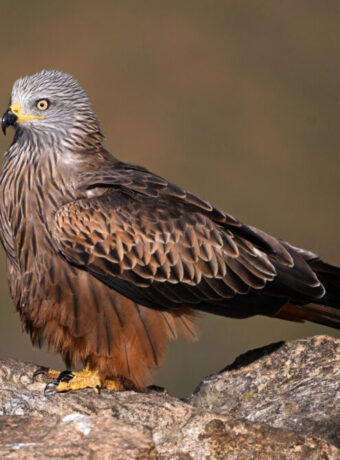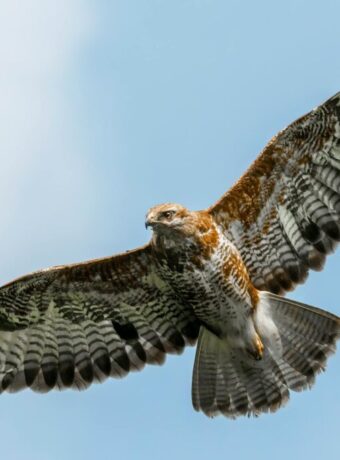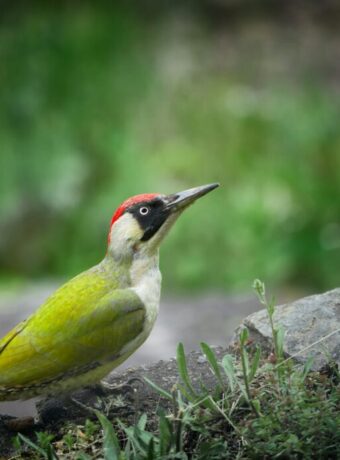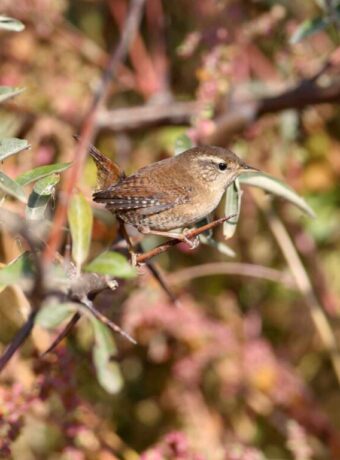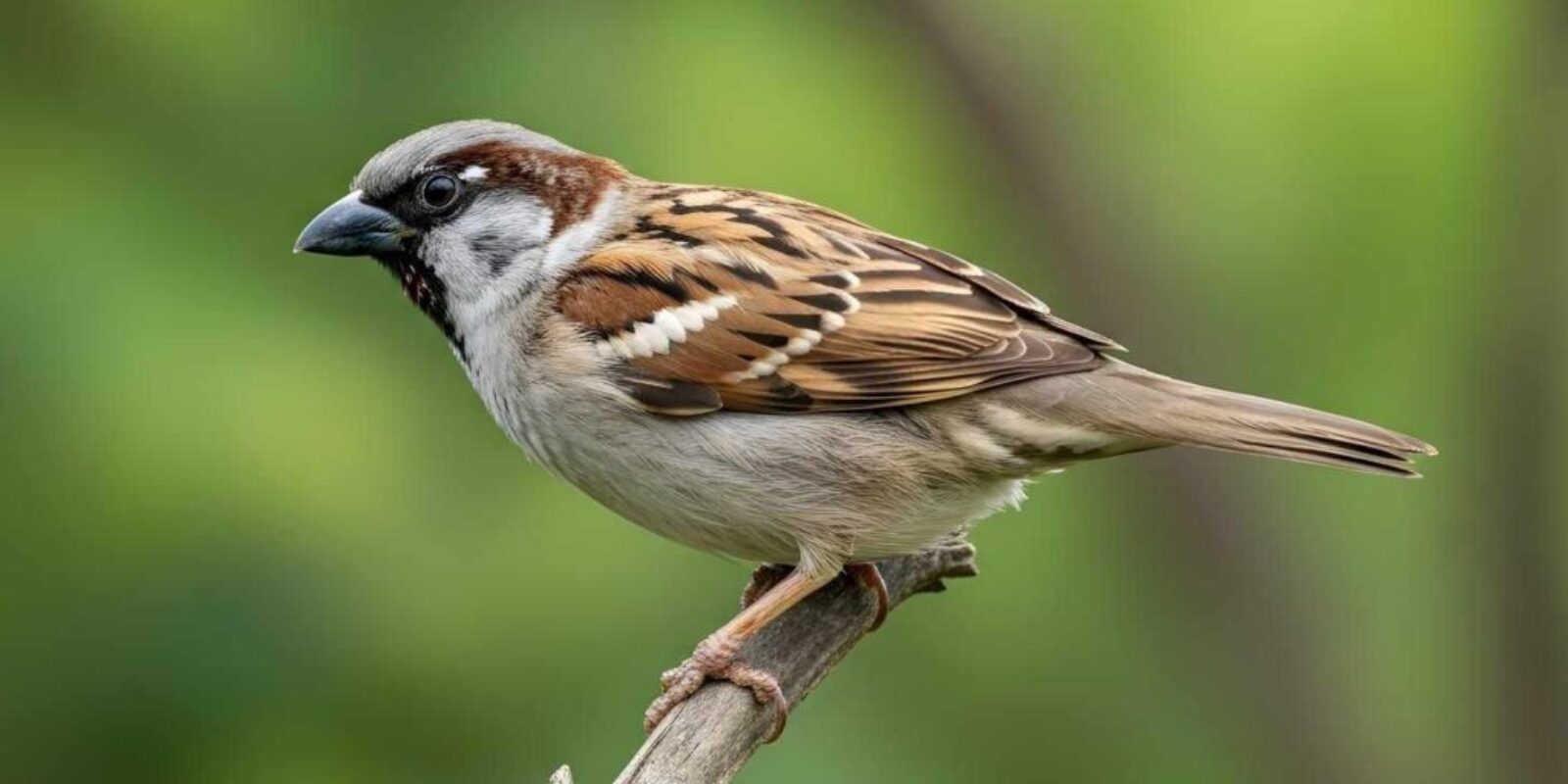
The House Sparrow is one of Britain’s most familiar garden birds, known for its cheerful chirping, social behaviour and close relationship with people. Often seen gathering in noisy flocks around gardens, hedgerows and urban spaces, this small brown bird has long been a familiar part of everyday life across the UK. Though modest in appearance, the House Sparrow is full of character and remains an important symbol of traditional British garden birdlife.
Common Name: House Sparrow
Scientific Name: Passer domesticus
Bird Family: Passeridae (Old World Sparrows)
Size: 14–16 cm
Wingspan: 19–25 cm
Weight: 24–40 g
UK Status: Resident (Year-round)
Primary Habitat: Urban areas, gardens, farmland, towns
Diet: Seeds, grains, insects
Lifespan: 3–5 years
Conservation Status: Red (UK Conservation Concern)
Best Seen: Year-round
Garden Friendliness: ⭐⭐⭐⭐⭐
General Information
The House Sparrow was once one of the most abundant birds in Britain, its cheerful chirping a constant soundtrack to urban life. Small, stocky and sociable, these birds thrive in close association with people, nesting in buildings and gathering noisily in hedges and rooftops.
Males are easily recognised by their grey caps, black bibs and chestnut markings, while females are softer brown with subtle striping. Rarely seen alone, house sparrows move in lively flocks, bringing constant movement and chatter to gardens and town centres.
Despite their familiarity, UK populations have declined significantly in recent decades, earning them Red conservation status. Their presence in a garden today is both welcome and increasingly meaningful — a reminder of the close relationship between people and wildlife in everyday spaces.