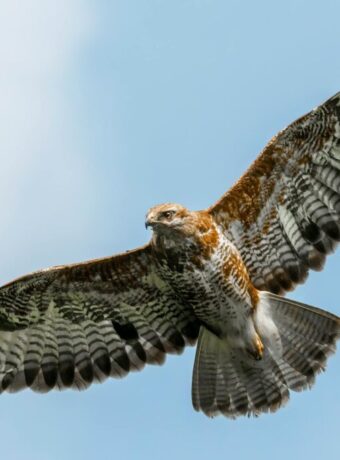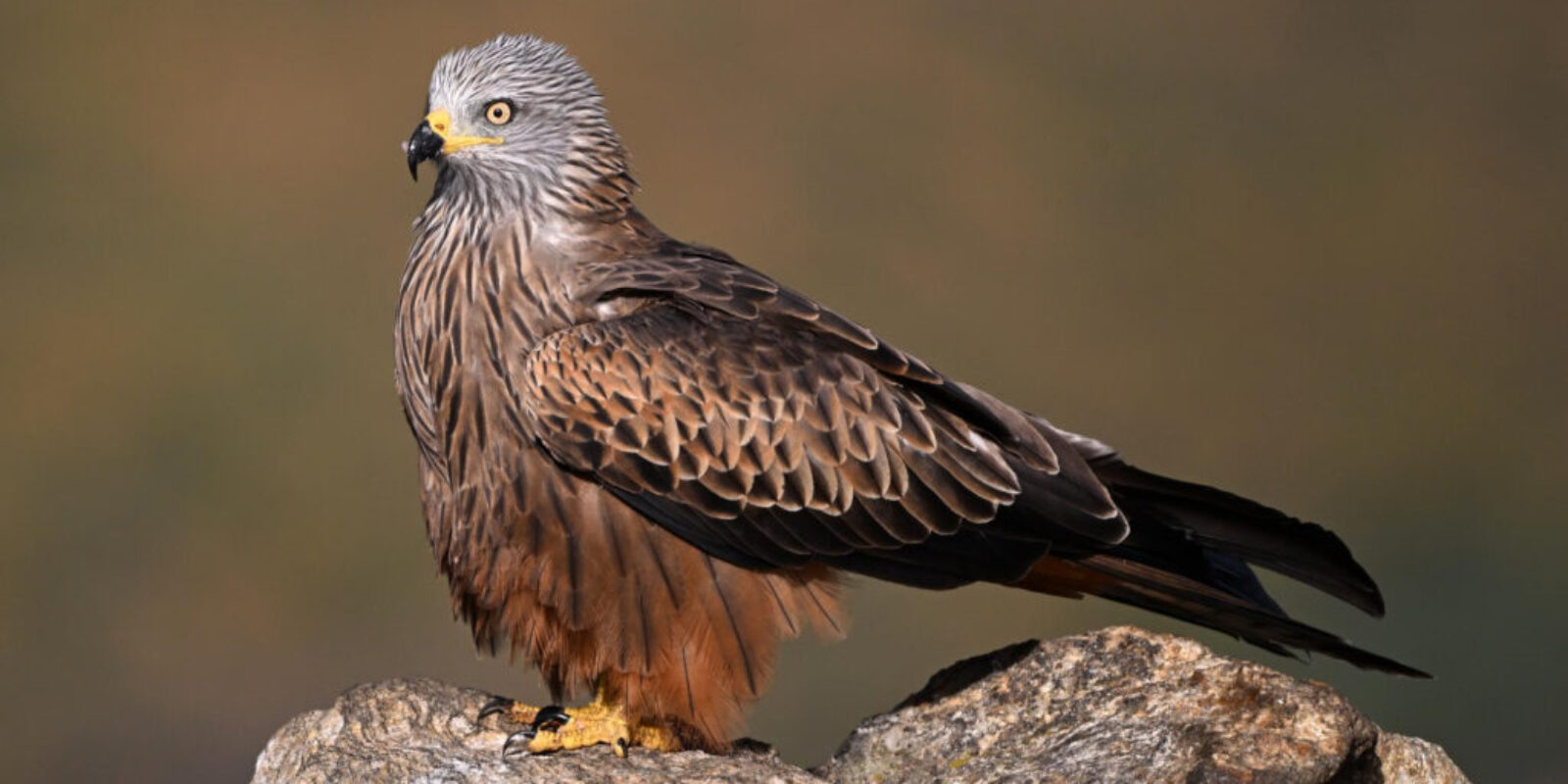
The Red Kite is one of Britain’s most elegant birds of prey, instantly recognisable by its long forked tail, graceful soaring flight and striking reddish-brown plumage. Once close to extinction in the UK, this remarkable raptor has made a successful comeback and is now a familiar sight gliding above fields, woodlands and river valleys. Its beauty, rarity and conservation story make the Red Kite a true favourite among birdwatchers.
Common Name: Red Kite
Scientific Name: Milvus milvus
Bird Family: Accipitridae (Birds of Prey)
Size: 60–70 cm
Wingspan: 175–195 cm
Weight: 800–1,300 g
UK Status: Resident (reintroduced population)
Primary Habitat: Woodland, farmland, river valleys
Diet: Carrion, small mammals, birds
Lifespan: 10–15 years
Conservation Status: Amber (UK Conservation Concern)
Best Seen: Year-round, often soaring
Garden Friendliness: ⭐☆☆☆☆
General Information
The Red Kite is one of the UK’s most elegant birds of prey, famous for its long forked tail and graceful soaring flight. With rich reddish-brown plumage and pale wing panels, it is instantly recognisable as it glides effortlessly over countryside and farmland.
Once driven to near extinction in Britain due to persecution, the red kite survived only in a small population in Wales. Thanks to successful reintroduction programmes beginning in the late 20th century, it has made a remarkable comeback and can now be seen across many parts of England, Scotland and Wales.
Often drifting slowly on thermals while scanning the ground for carrion, the red kite has become a powerful symbol of wildlife conservation success in the UK and a thrilling sight for birdwatchers and nature lovers alike.
Scores
Personality Rating